Repairing Harm
From Crime
Providing Restorative Justice Services in Manukau, Auckland and North Shore District Courts
What is Restorative Justice?
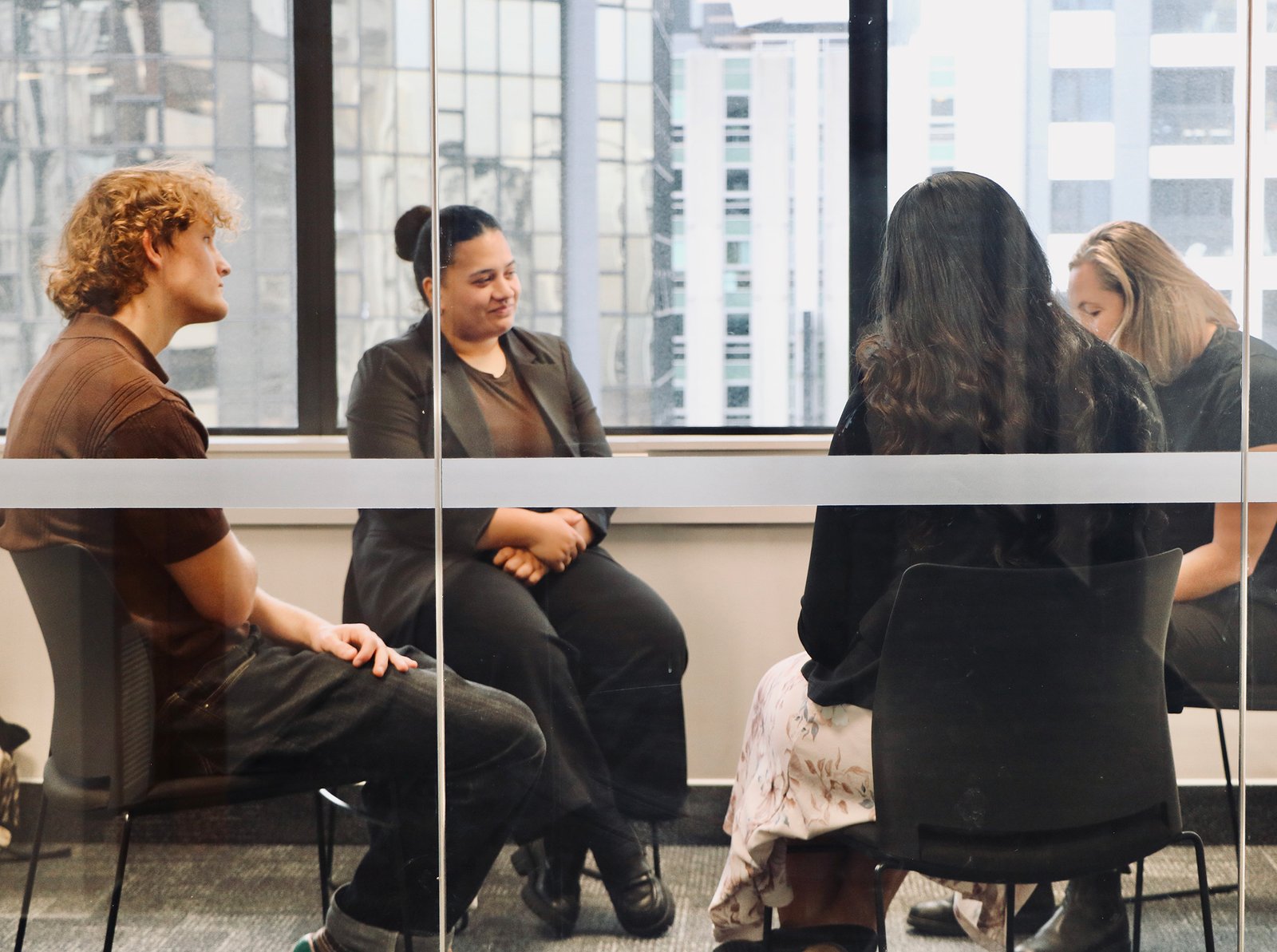
Restorative Justice is a voluntary process which provides a safe opportunity for people affected by crime to have a facilitated conversation. Participation involves a meeting where the victim, offender, their support people and two accredited Restorative Justice Facilitators meet in a neutral place to talk about what happened and how to repair the harm caused by the crime.
For Victims
The Restorative Justice process gives you the chance to tell the offender how you’ve been harmed or affected by the crime and what you need to repair the harm you’ve experienced.
For Offenders
The Restorative Justice process gives you the chance to take responsibility for the harm you’ve caused others, talk about how to put things right and discuss ways to make sure this doesn’t happen again.
For Community
The Restorative Justice process is a community-based response to crime that aims to hold offenders to account and repair the harm they’ve caused victims, their whānau, and the community.
Benefits of Restorative Justice
The process is designed to provide meaningful outcomes that traditional court proceedings often cannot achieve alone.
Benefits for Victims
You’ll have the chance to:
- Tell the offender how you and your whānau have been harmed or affected by crime.
- Talk about how the harm can be put right.
- Share what you want the offender to do so this crime doesn’t repeat and cause more harm.
Two accredited Restorative Justice Facilitators will make sure you’re safe and supported during this meeting. Your cultural needs and preferences will be prioritised. You’ll be encouraged to bring support people with you.
Benefits for Offenders
You’ll have the chance to:
- Take accountability for your actions.
- Listen to the victim and hear how they have been harmed or affected.
- Discuss how to put the right thing right.
- Talk about ways to make sure you don’t cause more harm to others.
Two accredited Restorative Justice Facilitators will make sure you’re safe and supported during this meeting. Your cultural needs and preferences will be prioritised. You’ll be encouraged to bring support people with you.
The Restorative Justice Process
A carefully structured and facilitated journey designed to ensure safety, respect, and meaningful dialogue for all participants involved.

Referral
Cases are referred by the Judge when someone pleads guilty to a crime.

Pre-conference
Facilitators meet separately with the victim and the offender, and their support people, for a conversation about what happened and the Restorative Justice Process.
You can share any cultural needs or preferences which are familiar and important to you and could help you feel comfortable in the conference.

Facilitators Decision
Restorative Justice Facilitators decide if a Restorative Justice conference will be beneficial for participants.

Conference
A safe, structured meeting takes place with support persons present.

Report
A report is provided to the Judges before the offender’s sentencing date.