For Victims
Helping those affected by crime find understanding, healing, and resolution.
Daniel’s Story
Daniel was riding home from work when the crash happened. In an instant, his day-to-day life changed. He was badly injured, his bike was damaged, and he was off work for several weeks. The financial pressure built quickly. So did the stress at home. He was the sole breadwinner for his family – his wife and two young children. He was sore, frustrated, angry and wanted answers. One of the hardest parts for Daniel was not really knowing if the driver understood what had happened. Not just the crash itself, but everything that came after it. The appointments, the bills, the stress, and the way it affected his family.
Sonja, the driver, knew she had made a mistake. She was frightened about what had happened and nervous about meeting Daniel face to face. She did not want to make excuses. She just wanted the chance to say sorry properly and do what she could to put things right.
Before they met, both Daniel and Sonja spent time with restorative justice facilitators. They were able to talk through what had happened from their own perspectives, what they needed from the process, and whether a meeting felt right.
At the conference, Daniel spoke about the impact of the crash. He talked about the injury, but also about not being able to work, the pressure on his partner, the costs, and the fact that he could not do normal things for himself. He explained that he had not come to punish Sonja. He wanted her to hear, directly from him, what the crash had caused and how it had changed his life.
Sonja listened. She apologised to Daniel and his wife and accepted that her actions had caused harm. Hearing Daniel’s story was difficult, but it helped her understand the consequences in a way she had not fully understood before. She said she had thought about the crash every day and wanted to take steps to repair some of the harm.
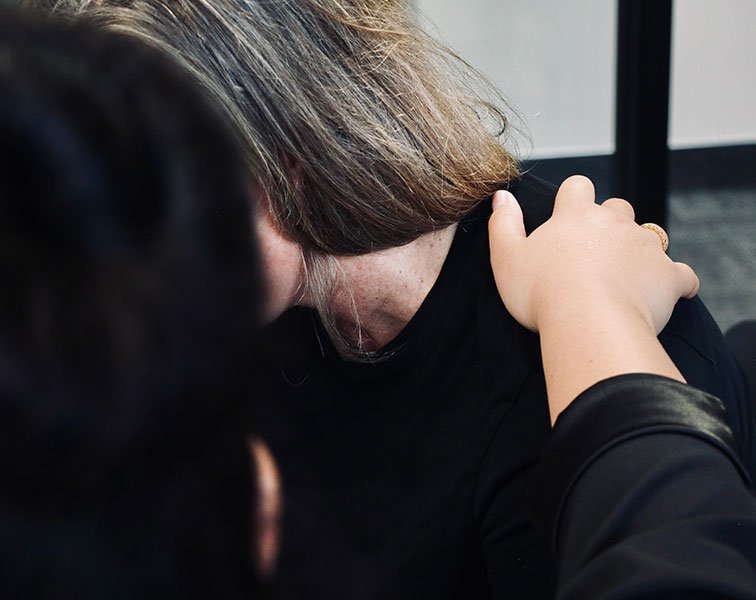
Together, they discussed some practical steps Sonja could take to help. She agreed to contribute towards the cost of Daniel’s damaged bike, helmet and phone. For Daniel, being able to speak and be heard was also important. He was able to ask questions, say what he needed to say, and hear Sonja accept responsibility.
Daniel said he felt heard. The meeting did not undo the injury or remove the stress his family had been through, but it gave him some closure.
Sonja said the process was difficult, but she was glad she did it. She said it helped her take responsibility in a real way, not just by saying sorry, but by hearing Daniel’s story and trying to put things right.

Information For Victims
Pono, honest sharing.
The restorative justice process gives you the opportunity to share as much as you want to about how you’ve been impacted by crime. Your cultural needs and preferences will be prioritised to create a safe and familiar environment where you can express yourself. The conversation will be facilitated the RJ Facilitators who are trained and experienced.