For Offenders
Helping those affected by crime find understanding, healing, and resolution.
Nikau’s Story
Nikau was 18 when it happened. He had been drinking with friends for most of the day, and by the time they got down near the beach, he was not thinking clearly. Later that night, near the campervans in Orewa, someone dared him to climb up on top of one. At the time, it felt like mucking around. A stupid dare, but nothing more than that. He climbed up, found the roof hatch, and realised it could be opened easily.
He got inside one campervan, then another. Inside the vans, Nikau let off the fire extinguishers. Powder went everywhere. Over the seats, the bedding, the cupboards, and through the inside of the vans. At the time, he thought it was funny. His friends were laughing and he went along with it. It was just a prank. He did not think about who owned the vans, or what they might mean to anyone.
But they meant a lot. The vans belonged to Patrick and Joan. Both were in their 80s, and both were widowed. Their campervans were not just vehicles. They were their independence, their freedom, and a way of holding on to good memories.
Patrick was going through cancer treatment. He was nearly at the end of it and had been looking forward to one more trip in his van. That was what he had in his mind while he was getting through treatment. Just to get well enough to go away again.
Joan had recently lost her husband. Their campervan had been something they had saved for and enjoyed together. They had only had about a year of using it before it was damaged. After her husband died, the van still held those memories for her.
Both vans were insured, and the repairs were eventually covered. But for them, that was not really the point. Patrick and Joan felt shocked and upset that someone could go into their private space and wreck it for no reason. It made them feel vulnerable and took away their sense of security.
Nikau agreed to take part in restorative justice. He knew he had done wrong and wanted to apologise, but before the conference he still seemed to think of it mostly as damage to property. That changed when he heard Patrick and Joan’s stories.
Joan talked about her husband and the trips they had taken together. She spoke about how much the campervan meant to her after losing him. Patrick talked about his cancer treatment and how much he had been looking forward to getting back on the road. He said it was not just the money or the repairs. It was the thought that someone had treated something so important to them like it meant nothing. They were not angry in a loud way. They were sad, disappointed, and hurt. That seemed to affect Nikau more than if they had shouted at him and given him a growling.
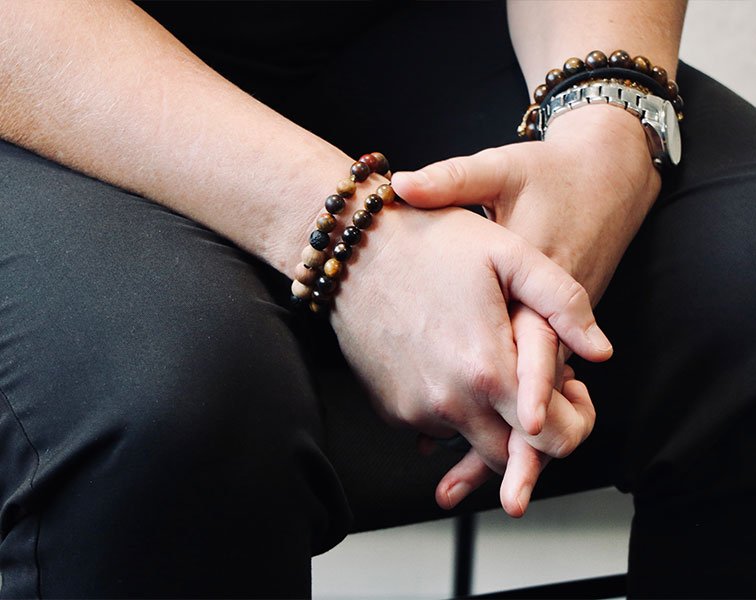
Nikau cried during the conference. He said he had not thought about any of it that way. He said he had only seen “a couple of vans” and had not thought about the people behind them. He apologised properly, not just for the damage, but for taking away their sense of safety and peace.
During the meeting, Nikau also spoke about his grandfather, who had died the year before. He said his grandfather was his favourite person, the person he looked up to most. Patrick and Joan were moved by that. Even with the big age gap between them, the conference gave them a chance to speak together.
Nikau offered to help in practical ways. He said he could mow their lawns, help with jobs, or do whatever he could to make things easier. It was a small offer compared with the damage, but it showed he wanted to do something, not just say sorry and leave.
Patrick and Joan appreciated the offer. More than anything, they appreciated that he had listened and wanted to do something to make things right.
When Nikau later appeared in court for sentencing, Patrick and Joan went along to support him. They did not excuse what he had done, and they still wanted him to be accountable. But after meeting him, they saw more than the offence. They saw a young person who had made a serious mistake, listened to the harm he had caused, and was genuinely sorry.
For Patrick and Joan, the conference gave them a chance to explain what had really been damaged. For Nikau, it made him think about his future and the impact his choices have on others.
Information For Offenders
Tika, putting things right.
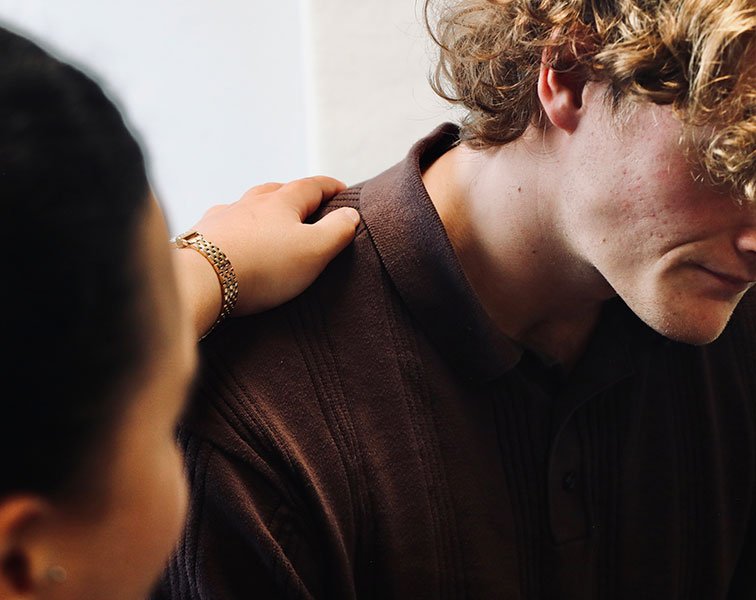
The restorative justice process gives you the opportunity to meet with the people impacted by the crime you’ve plead guilty to. People who have gone through the process say it’s not easy, but it’s the right thing to do. This is a unique process where you have the opportunity to hear from victims, in their own words, what they need to heal, repair and move forward.